
Summary
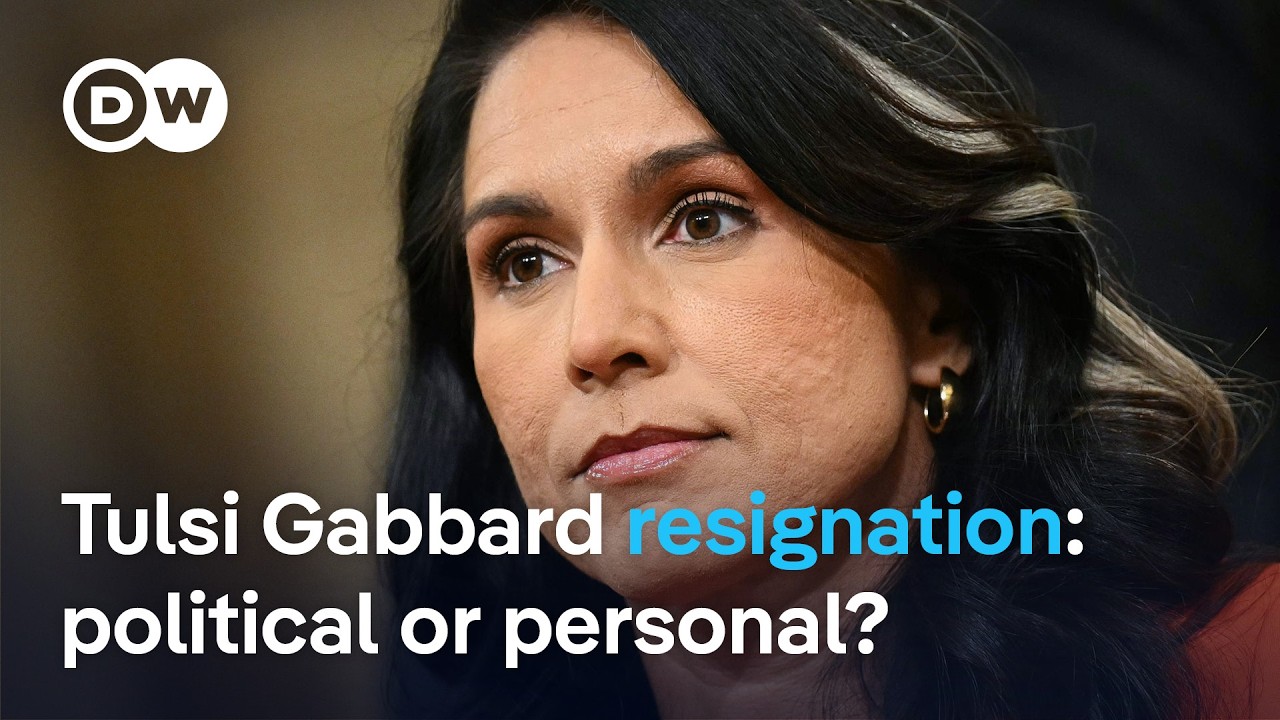
In a significant shift for the **Trump administration**, **Tulsi Gabbard** has announced her resignation as Director of National Intelligence, with her final day set for June 30th. Simultaneously, **Kevin Warsh**, a former Federal Reserve governor, is reportedly being considered to replace **Jerome Powell** as the next Fed chair. These personnel moves come as President **Donald Trump** actively campaigns for **Rep. Mike Lawler** in a crucial swing district, highlighting the administration's focus on both domestic political battles and high-level policy appointments. The dual announcements suggest a strategic realignment of key leadership roles within the executive branch and the nation's central bank.
Key Takeaways
- Tulsi Gabbard is resigning as Director of National Intelligence, effective June 30th.
- Kevin Warsh is reportedly being considered to replace Jerome Powell as Federal Reserve chair.
- President Trump is actively campaigning for Rep. Mike Lawler in a key swing district.
- These developments signal potential shifts in national security and economic policy.
- The timing highlights the intersection of administrative leadership changes and political campaigning.
Balanced Perspective
The resignation of **Tulsi Gabbard** from the Director of National Intelligence post, effective June 30th, marks a change in a key national security role. The reported consideration of **Kevin Warsh** to lead the Federal Reserve, replacing **Jerome Powell**, indicates a potential shift in monetary policy direction, though no official confirmation has been made. President **Trump**'s campaign appearance for **Rep. Mike Lawler** is a standard political maneuver in a competitive electoral environment. The timing of these announcements, occurring concurrently, suggests a confluence of administrative and political events.
Optimistic View
This reshuffling signals a potential for decisive action and a renewed focus on the administration's core economic and national security agendas. **Kevin Warsh**'s appointment to the Federal Reserve could bring a more hawkish monetary policy stance, potentially curbing inflation and strengthening the dollar. **Tulsi Gabbard**'s departure, while notable, allows for new leadership in intelligence, potentially bringing fresh perspectives to complex global challenges. The President's active campaigning demonstrates a commitment to bolstering Republican support in critical midterm races, aiming to solidify his legislative agenda.
Critical View
The departure of **Tulsi Gabbard** from a critical intelligence role could create instability and uncertainty at a time of heightened global tensions. The potential replacement of **Jerome Powell** at the Federal Reserve by **Kevin Warsh**, a figure with a less predictable economic approach, raises concerns about market volatility and the independence of monetary policy. President **Trump**'s focus on campaigning, while politically necessary, may detract from the administration's ability to manage these significant leadership transitions effectively. This period of flux could be exploited by adversaries or lead to missteps in economic management.
Source
Originally reported by NBC News